What happens when plans need to change? You just keep going.
During June, I started a series of instagram posts to celebrate #nationaldairymonth, with an ambitious goal of posting once a day. After coming up with a very thorough outline (with plans to cover everything from goat breeds to how to milk the gals, feed, what we do with the milk, the role of women in dairying, how humans historically started drinking animal milks, etc., etc.) I got about halfway through the month before I lost steam. Our pregnant goats started kidding, the summer travel for my (paid) work increased, the livestock guardian puppy started growing into her extremely large paws, and who knows what else was happening at the time, but regardless, the reality of #nationaldaymonth did not match the plan.
I wish I could say that not realizing a plan at Air’s Wild Acres is uncommon, but alas, it is not. The reality of having a “hobby” farm often does not line up with the dream. One can think through any number of outcomes, but inevitably when dealing with as many animals as we have in a very wild context, shit happens. Both figuratively and literally.
However, a need for resiliency in an agricultural context is extremely important, and I am not the first, nor will I be the last, who will need to divert from “the plan.” This year alone has been a challenging one, not only because we are still adapting to a new home and environment, but for all the other many reasons that life is just challenging these days: the climate is changing and we had an extreme amount of unusual rainfall this year, which resulted in high predator pressure and thus losses of some of our favorite and most treasured animals, we (the humans) are both learning more about ourselves and each other in this context, and some days just the weight of the world feels so dang heavy and having so many animals in the middle of nowhere just feels like a selfish vanity project and it takes so much strength just to get by. It’s hard to even remember a plan exists when it feels like things are constantly going wrong.
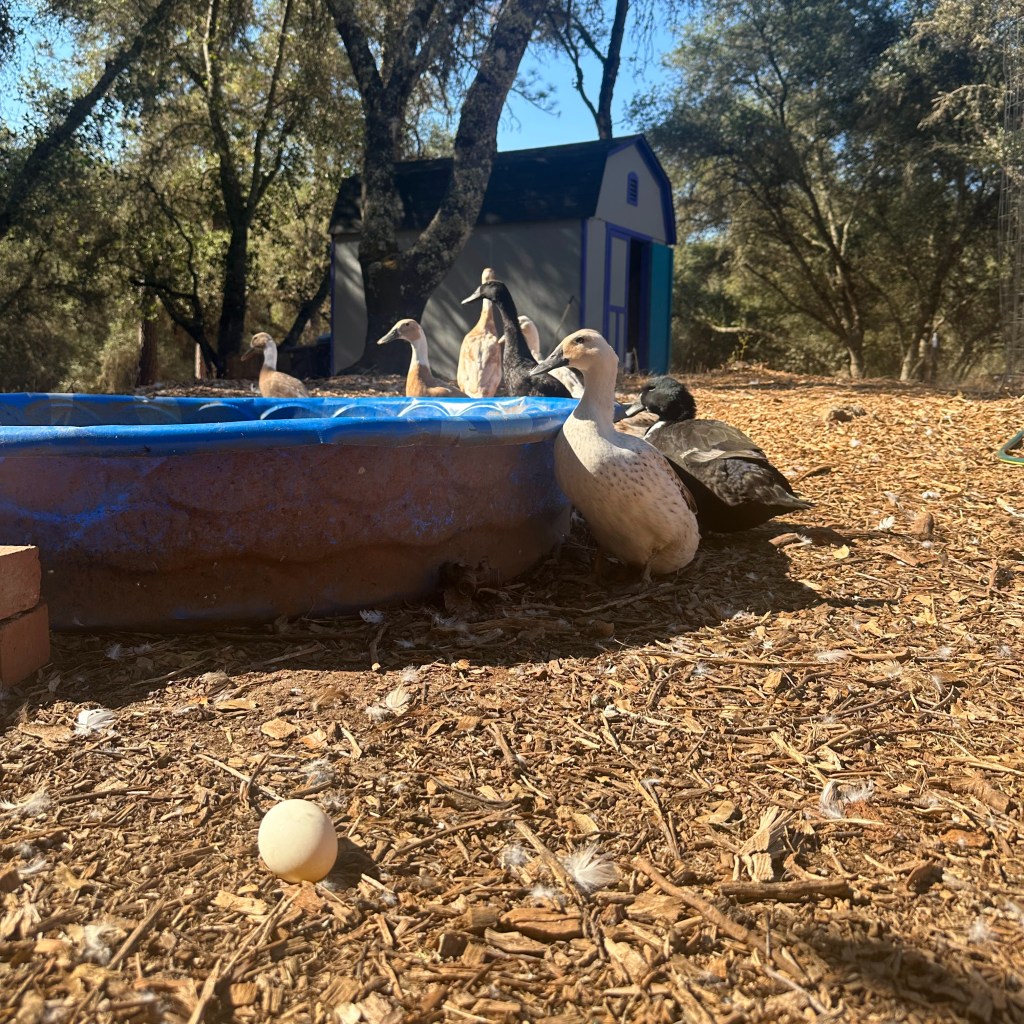
And, again, I’m not the first, nor will I be the last that has these feelings. Modern Farmer recently posted an article about the overwhelming number of chickens surrendered to animal sanctuaries after people impulse purchased animals at the start of the pandemic. I, too, have been known to impulse purchase poultry–why did I get Easter Eggers just because they had a few left at the feedstore, eye roll. Yes their eggs are pretty but the birds are silly looking and not nearly as productive as my beautiful Red Star hens! And the eggs taste the same!–so I absolutely cannot fault anyone for not thinking through their low-level homesteading dreams and bringing home a few birds they aren’t fully prepared for.
That same article implies that the surrenders could have been avoided with better planning, for not only vet bills, feed and infrastructure, but also for life events like long term illnesses or deaths. However, even the best laid plans are hard to adhere to in variable economic and environmental climates. We planned for nighttime predators, for example, but never would have expected that the wildlife would be so hungry after a long, wet winter that they’d start taking animals in the middle of the day. The predators are adapting to their changing environment, so we had to as well, which meant additional livestock protection measures, including two new, large livestock guardian dogs (LGDs), Maple and Lucky. We haven’t seen a single predator since a week after we adopted the LGDs, but our dog food bill has gone up in a way that feels exponential.
In examples like these, we planned for predators and the plan failed. We adapted, but the adaptation takes more time and money, and more planning. LGDs are notorious for digging under fences, so now I am fixing fences more often than I was previously. I could get new fences, which, surprise, surprise, takes more time and money. We needed new fences anyway for different parts of the property, so luckily I have some materials to fix the holes that Maple and Lucky have created, but I have had to postpone other projects (like fencing out the rest of the property!) just to keep the goats contained in their regular pasture. When the goats find one of Maple’s holes in the fence, they immediately run to the chicken coop, and even a single goat can gobble up a few days of food for the chickens in minutes.
Discussing what feels like an infinite number of failures this year is not meant to take away from my love of the lifestyle. I am still obsessed with my animals and greatly enjoy spending time with them and thinking about the various ways I can improve both their habitats and mine. However, as a society, I don’t think we discuss the myriad ways in which any type of agricultural or natural resources lifestyle can affect the people, places, and creatures that are involved, both mentally and physically. The Modern Farmer article dramatically oversimplifies all the ways in which things can go wrong in even small scale food production. The article implies that issues could have just been planned away and planning would have prevented the numerous surrenders that occurred during the pandemic. Yes, to an extent, planning can prevent later problems, but good plans only come from good knowledge, which often comes from experience. How can one possibly know how to plan for certain things, if they’ve never been in a situation where they have needed to?
What the article more so reiterated to me was the need to discuss the actuals of agriculture on a more regular basis. You can’t really know what it’s like stressing about a dying goat and a vet who can’t get there for a day or two because you live in the middle of nowhere, until you’ve lived it. The frustration of rising feed costs, the drudgery associated with how often you have to clean the chicken coop, the anxiety you feel leaving the house for basic errands when you know something is hunting your animals… To be able to tolerate all of these outside factors in a farm setting requires an extreme level of resiliency and an ability to adapt, quickly. I don’t even know if I have that level of resiliency, and I’ve been surrounded by agriculture my entire life, and have had over 40 years to “get used to” all the shit that comes with having livestock and living a rural lifestyle.
So, what’s the point? Why do it, and subject ourselves to what others see as an expensive hobby that isn’t really providing food for a growing global population. Obviously you need way more than five acres for that!
Because, why not? Because it feels like part of my soul would be missing if I did anything else with my life at this point? Because I can’t imagine a world without small scale, diverse production systems that try to mimic the natural environment in the ways that they produce food? Because I strongly believe that farms and livestock operations like mine are the reservoirs of genetic diversity that will become so important for adapting to all the ways the planet will change in the future? These should not be questions. They are statements of fact, yet, as a small-scale producer, I am constantly having to defend my lifestyle and the fact that I am providing meaningful contributions to our food system, especially in my rural, extremely isolated community.
The whole point of this post, though, is to note that Air’s Wild Acres is a work in progress. There are many, many reasons I do this work and am trying to operate a small farm, and one of the primary reasons is for the opportunity to tell the story of small-scale farmers. Those of us who operate at this scale do so in a very, very different context than what we think of as “conventional agriculture.” I’ll be here to celebrate the work, discuss all the ways it both brings me joy and frustrates me, and hopefully teach people a thing or two along the way. We’ll make plans, the plans will change, and we’ll adapt.
And all we can do is laugh, and do the best we can with the resources available to us.
Learn more about Air’s Wild Acres, and please consider a donation to the farm to cover feed costs if you enjoy any of the content we provide.



 Air's Wild Acres